

Ultherapy
Tighten Loose Skin and Smoothen Wrinkles

Lift and tighten your skin without surgery with Ultherapy at Be You Medical. This advanced treatment uses ultrasound technology to stimulate collagen production, naturally lifting and tightening the skin on your face, neck, and décolletage.
Lift and tighten your skin without surgery with Ultherapy at Be You Medical. This advanced treatment uses ultrasound technology to stimulate collagen production, naturally lifting and tightening the skin on your face, neck, and décolletage.
Approval required before booking. Please text us at 916-223-9361 first.

Frequently Asked Questions
What Is Ultherapy and How Does It Work?
Ultherapy is a non-invasive treatment option that uses a specialized ultherapy device equipped with real-time imaging and microfocused ultrasound technology to target specific skin layers, including the deep foundational layers addressed in cosmetic surgery, but without incisions.
Unlike laser treatments, which primarily target superficial skin issues with light energy, Ultherapy differs by delivering ultrasound energy to deeper skin layers for lifting and collagen stimulation. Ultherapy is the only FDA-approved non-invasive treatment that uses micro-focused ultrasound energy to lift and tighten skin, and its safety and efficacy have been established through clinical trials conducted by board certified dermatologists. The ultrasound energy stimulates your body’s natural collagen production, gradually lifting and tightening the skin from within. Ultherapy has a low risk of serious complications when performed by qualified practitioners. Ultherapy uses real-time ultrasound imaging, allowing providers to see exactly where energy is delivered for precise, safe, and effective treatment.
What Areas Are Treated With Ultherapy?
Ultherapy is FDA-approved for treating the face, neck, décolletage, and brow area, and can also be used on the chest, abdomen, arms, and knees to address skin laxity and wrinkles.
It is commonly used to lift and tighten skin on the:
Face: Sagging cheeks, jawline, and fine lines
Neck: Loose or crepey skin, often called “turkey neck”; effective for tightening skin around the neck and chin
Décolletage/Chest: Wrinkles and skin laxity on the chest
Brow and Eyes: Smoothing lines and wrinkles on the brow and around the eyes
Ultherapy targets specific treatment zones, including the superficial musculoaponeurotic system (SMAS), a deep tissue layer also addressed in surgical facelifts, to achieve effective lifting and tightening without surgery.
Treatment areas are selected based on where collagen stimulation will produce the most noticeable lift.
What Are the Benefits of Ultherapy?
Ultherapy is a great alternative to a surgical facelift. Here are just a few of its benefits:
- Non-invasive: No scalpels or stitches—just ultrasound energy.
- Natural Results: By boosting your skin’s collagen production, Ultherapy offers long-lasting, natural-looking results.
- Minimal Downtime: After the procedure, you can go about your day with just a bit of redness or mild swelling. No long recovery period is needed.
Before treatment: To help your skin respond optimally to treatment, we recommend:
Avoiding sun exposure and tanning for several days before treatment
Skipping alcohol and excessive caffeine for 24–48 hours prior
Pausing strong skincare products such as retinoids, exfoliants, or acids for a few days
Arriving with clean skin free of makeup, lotions, or oils
During your initial consultation, your Ultherapy specialist will discuss pain management options, including the possible use of topical anesthetics and other comfort measures tailored to your needs.
These steps help reduce skin sensitivity and support a smoother treatment experience.
After treatment: Skip intense workouts, hot showers, saunas, and harsh skincare for at least 24 hours. Use gentle skincare, apply SPF daily, and keep skin protected from sun exposure to maximize your results.
Can Ultherapy Replace a Facelift, or Be Combined With Other Treatments?
Ultherapy provides noticeable lifting and tightening but does not replace surgical facelift results. It is best suited for patients with mild to moderate skin laxity.
Unlike laser treatments, Ultherapy is FDA-approved to lift skin using ultrasound energy that targets deeper layers of tissue to stimulate collagen and create a lifting effect.
In contrast, laser treatments primarily target superficial skin layers with light energy and are not FDA-approved for lifting skin.
This unique mechanism allows Ultherapy to reach deeper tissues to lift and tighten, rather than only improving surface-level concerns.
Ultherapy is often used to:
Delay or avoid surgery
Maintain results after a facelift
Enhance outcomes when combined with fillers, neuromodulators, or laser treatments
We’ll help you understand where Ultherapy fits within your overall treatment plan.
Am I a Good Candidate for Ultherapy?
Not everyone is a perfect fit for Ultherapy. It’s ideal for those with mild to moderate skin laxity. However, if your skin’s very lax or you’re dealing with severe sagging, we might suggest other options like laser treatments. Our team will work with you in your consultation to find the best treatment for your skin type and cosmetic goals.
What Happens During Ultherapy Treatment?
Before your Ultherapy session begins, a layer of ultrasound gel is applied to your skin to ensure proper contact and effective energy transmission. The ultherapy device, equipped with ultrasound imaging technology, is then used to deliver focused ultrasound energy to targeted layers of your skin. Ultherapy procedures typically last between 30 and 60 minutes. Most patients achieve their desired results with a single initial treatment, but how many Ultherapy treatments you may need depends on your individual skin condition and response to the initial treatment. You might feel some tingling or warmth during the short pulses of ultrasound energy, but it’s usually tolerable. After your treatment, you can resume your normal activities right away.
What Should I Do Before and After Ultherapy to Ensure the Best Results?
Before Ultherapy
To help your skin respond optimally to treatment, we recommend:
Avoiding sun exposure and tanning for several days before treatment
Skipping alcohol and excessive caffeine for 24–48 hours prior
Pausing strong skincare products such as retinoids, exfoliants, or acids for a few days
Arriving with clean skin free of makeup, lotions, or oils
During your initial consultation, your Ultherapy specialist will discuss pain management options, including the possible use of topical anesthetics and other comfort measures tailored to your needs.
These steps help reduce skin sensitivity and support a smoother treatment experience.
After Ultherapy
Ultherapy requires little downtime, but proper aftercare helps protect your results:
Avoid intense workouts, hot showers, saunas, and steam for at least 24 hours
Use gentle skincare products and avoid exfoliants for several days
Apply sunscreen daily and protect your skin from direct sun exposure
Stay hydrated and follow any personalized aftercare instructions from your provider
You may notice some mild swelling in the days after your procedure, but this is temporary and typically resolves on its own.
Icing the treated area and vigorous exercise should be avoided for about 3–5 days after treatment to support optimal healing.
Most patients report little to no discomfort during or after Ultherapy and return to normal activities right away, with gradual tightening continuing over the following months.

The Be You Team
At Be You Medical, our team of providers and registered nurses combine years of experience and a passion for aesthetic medicine. We prioritize personalized care, ensuring each treatment is tailored to your unique needs. As a close-knit team, we are dedicated to enhancing your natural beauty and helping you feel confident and vibrant every day.
Be You Medical offers Ultherapy, a non-surgical ultrasound treatment that lifts and tightens the skin on the face, neck, and décolletage by stimulating natural collagen production with no downtime.
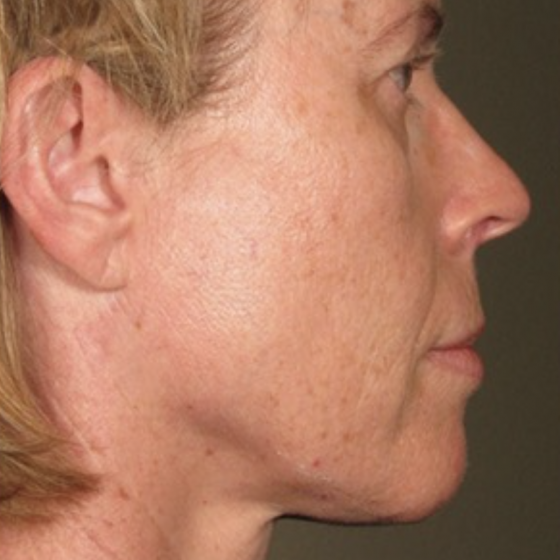
Before & After
From loose to firm, redefining your contours without surgery.
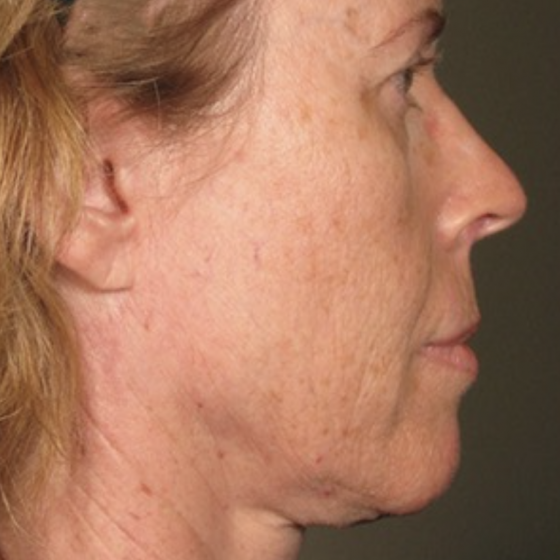
 Before
After
Before
After